
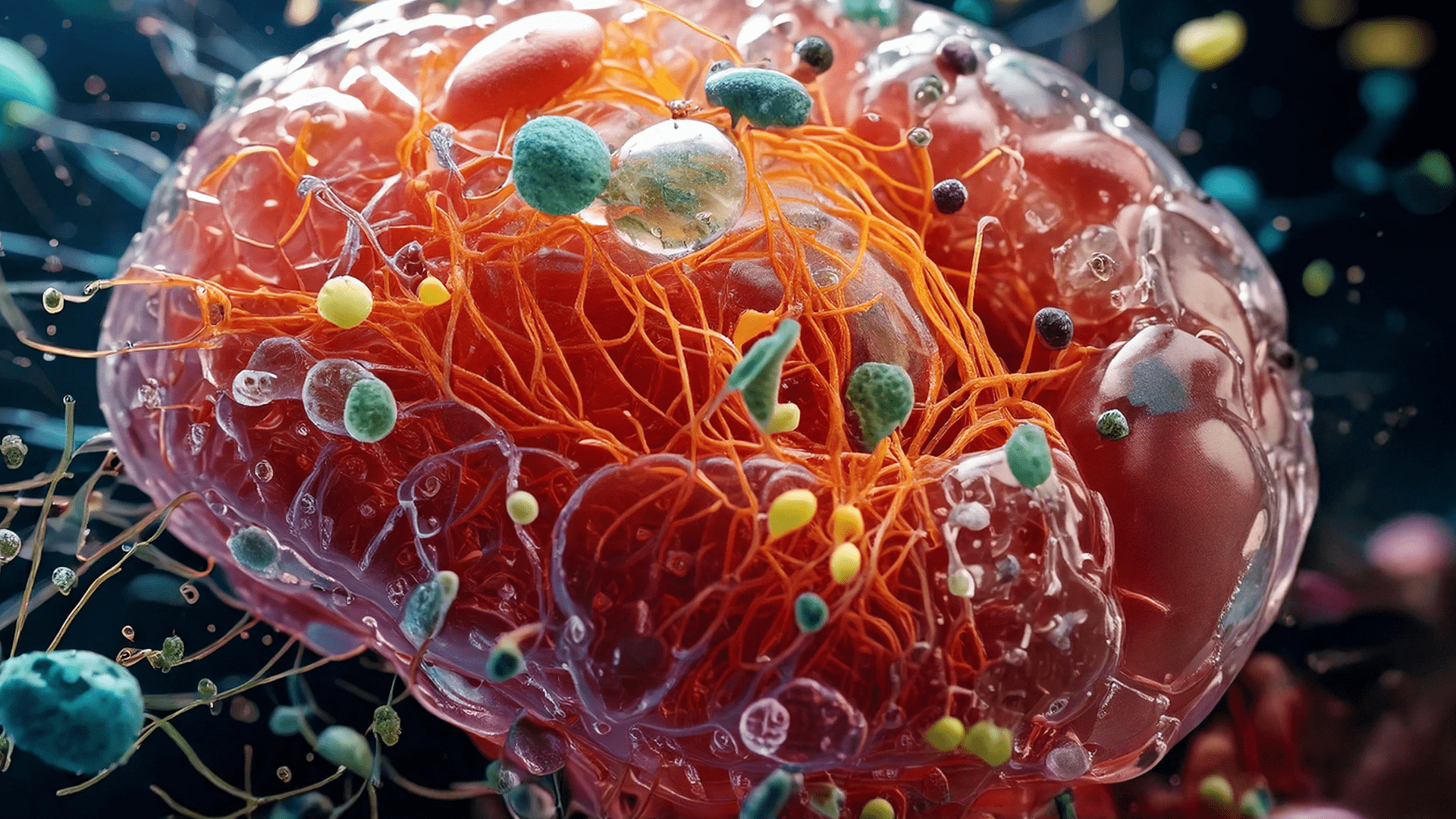
Apart from global population ageing, experts are discussing the role of environmental factors and toxins in the development and progression of Parkinson’s disease. Nanoplastics have long been overlooked and little researched, but recent studies suggest that they are present in our brains and may affect our cognitive health.
Could these tiny particles also accelerate the development of Parkinson’s disease?
What are microplastics & nanoplastics and where does it come from?
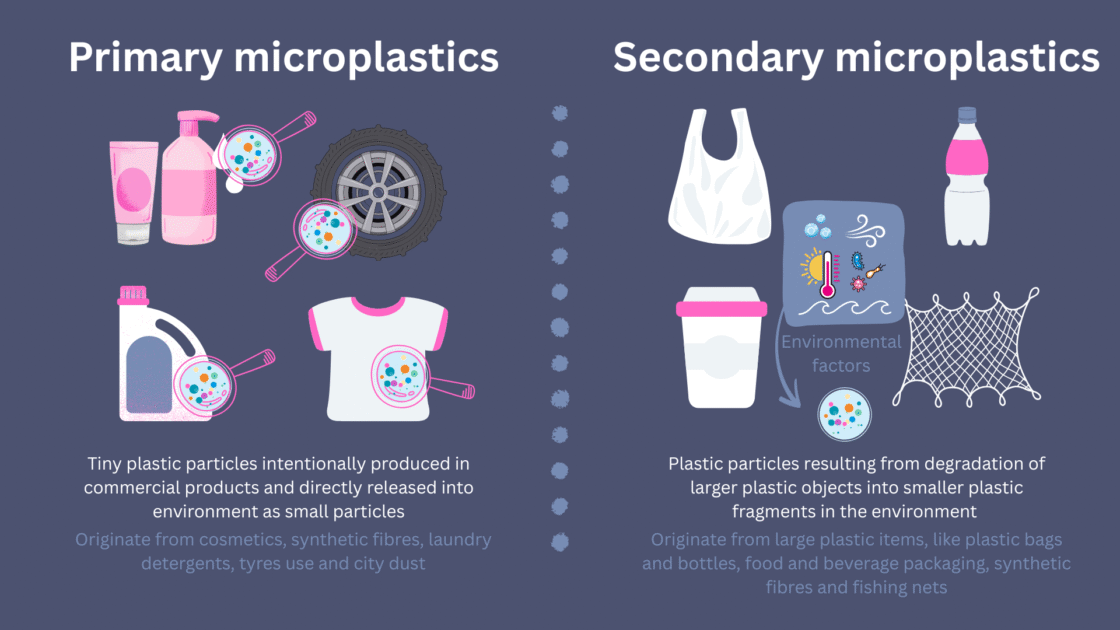
It is now widely known that microplastics are present in our oceans and in the environment worldwide. These are tiny plastic fragments that are usually less than 5 millimetres (mm) in length. There are two types of microplastics. While primary microplastics are intentionally manufactured in the form of small plastic particles, secondary microplastics are created through the detachment and disintegration of larger plastic items.
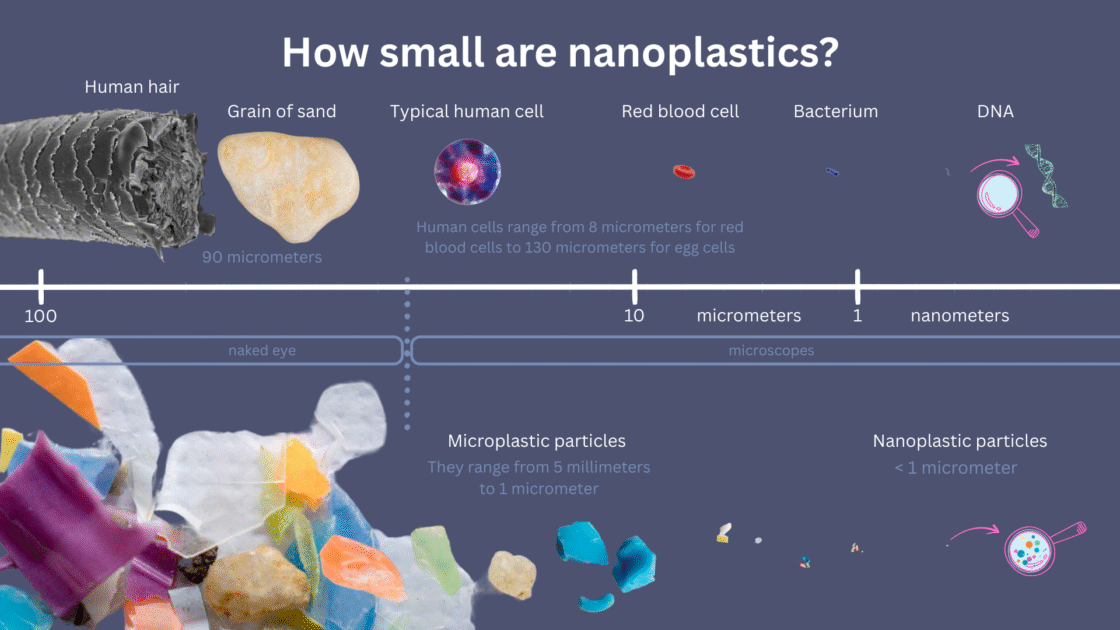
Nanoplastics are much smaller. They are a subgroup of microplastics that measure less than 1 micrometre (µm) and are therefore invisible to the naked eye. Nanoplastic particles are even smaller than human cells.
You can find further basic information about the disease in our Parkinson’s Basics section.
How do nanoplastics enter the body? Do they have an impact on our health?
Nowadays, we are largely exposed to nano- and microplastics in our immediate environment. There are three main sources:
- Food: Studies have detected nano- and microplastics in varying concentrations in meat, eggs, fish (especially shellfish), grains, fruit, vegetables and even salt. Nano- and microplastics have also been found 1 in our drinking water.
- Environment: Mixed with normal dust, small plastic particles are also present in our immediate outdoor and indoor environments. Workplaces where paints or 3D printing are used pose a particular risk of exposure to high concentrations of nanoplastics.
- Everyday items: personal care products, treated textiles or the inner coating of food packaging such as takeaway coffee cups can also release tiny plastic particles.
The problem with exposure to nano- and microplastics is that they can enter the human body. While food and drink are considered the main routes of exposure, these tiny plastic particles can also be inhaled directly. Other particles can be absorbed through human skin, as is the case with many cosmetics.
It is not known what effect small plastic particles have on our bodies. Researchers have found that some particles can enter our gastrointestinal tract, lungs and bloodstream. From there, they are transported throughout the body to our organs and tissues.
Plastic particles of varying composition and size have been detected in human blood 2, the placenta, breast milk and the brain. The accumulation of nanoplastic particles in the brain can have 3 neurotoxic effects on nerve cells. These can manifest themselves in the form of oxidative stress, inflammation or disturbances in neuronal function and are therefore a potential threat to brain health.
Microplastics have also been found in human faeces and urine. However, it is still unclear how our bodies excrete plastic and whether it accumulates over time.
Can nanoplastics cause Parkinson’s disease? What the research says
Alpha-synuclein is a protein that occurs naturally in the brain. One of its important tasks is to help neurons communicate with each other. Alpha-synuclein is in a delicate balance. In Parkinson’s disease, however, it accumulates and becomes toxic, causing dopamine neurons to die.
In controlled laboratory experiments with neurons, plastic particles interfere with the normal breakdown of alpha-synuclein. Nanoplastics intertwined with accumulated alpha-synuclein accelerate the spread of this toxic protein to various regions of the brain—including the substantia nigra, the region affected in Parkinson’s disease 4.
Although there is little tangible evidence, these recent findings suggest a possible link between nanoplastics and the development or progression of Parkinson’s disease.
You can also find an overview of current topics and experience reports in our Parkinson’s blog.
Can we avoid nanoplastics if they are ubiquitous?
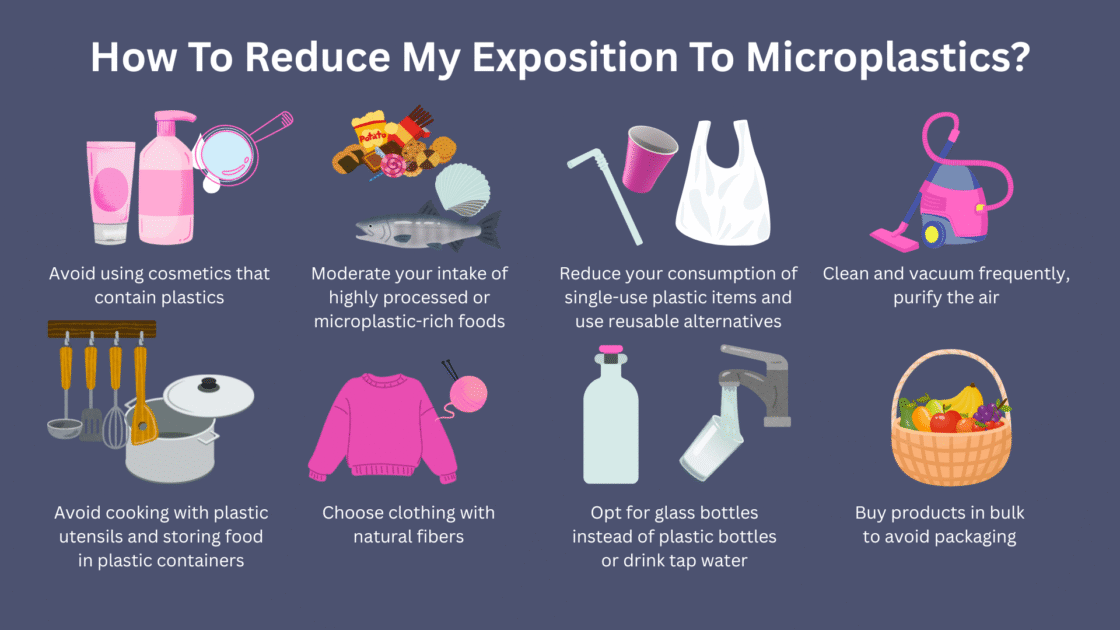
Although it may seem difficult to avoid contact entirely, there are some daily measures that everyone can take to minimise their exposure.
- Be mindful of what you eat…Be cautious about consuming excessive amounts of seafood, as microplastics tend to accumulate in long-lived fish and shellfish. Some vegetables, such as root vegetables, may contain more plastic particles than leafy vegetables such as lettuce. Reduce your consumption of packaged processed foods, as studies have shown that these tend to have higher levels of microplastics.
- …and how you prepare it. Plastic wears out. Avoid storing food in plastic containers and do not cook with plastic kitchen utensils.
- Protect your drinking water. Using glass bottles instead of plastic bottles can help reduce pollution. Filtering your tap water can also minimise the number of particles.
- Clean frequently. As plastic particles are very small, they can easily become airborne. Frequent cleaning and vacuuming can help to limit exposure. Consider using HEPA filters in air purifiers, although the smallest nanoparticles may not be retained.
- Avoid using cosmetics that contain plastic particles. Most cosmetic products contain microplastics. There are several free mobile apps that you can use to check whether a product contains microplastics.
- Reduce your plastic consumption. This will help reduce environmental pollution from the outset. Avoid single-use plastic items and opt for reusable alternatives such as glass, bamboo, stainless steel or new biodegradable or compostable plastics whenever possible. Buy products in bulk to avoid unnecessary packaging. Choose clothing made from natural fibres and cosmetics without plastic.
For a healthier future: expanding knowledge and promoting joint action
Research into the health effects of plastic pollution is gaining momentum as we become more aware of the impact of environmental toxins on our brain health. This will hopefully help us gain a clear and reliable understanding of the links between nanoplastics and Parkinson’s disease in the coming years.
As a precautionary measure, however, society should seek ways to prevent plastic pollution. This could be achieved by reducing the production of plastic items and, wherever possible, developing environmentally friendly alternatives. Increasing the recycling rate to nearly 100% could also help tackle the problem at its root.
But as this article shows, you can also take action within your own sphere today to limit your exposure to nanoplastics and reduce the risk to yourself and your family.
Many thanks to our author Séverine for her intensive research. This post may have been translated using software – minor errors included 🙂
More about us
–> Back to the Parkinson’s Blog
References
- Ramsperger AFRM, Bergamaschi E, Panizzolo M, et al. Nano- and microplastics: a comprehensive review on their exposure routes, translocation, and fate in humans. NanoImpact. 2023;29:100441. doi:10.1016/j.impact.2022.100441
- Leslie HA, van Velzen MJM, Brandsma SH, Vethaak AD, Garcia-Vallejo JJ, Lamoree MH. Discovery and quantification of plastic particle pollution in human blood. Environ Int. 2022;163:107199. doi:10.1016/j.envint.2022.107199
- Nihart AJ, Garcia MA, El Hayek E, et al. Bioaccumulation of microplastics in decedent human brains. Nat Med. 2025;31(4):1114-1119. doi:10.1038/s41591-024-03453-1
- Liu Z, Sokratian A, Duda AM, et al. Anionic nanoplastic contaminants promote Parkinson’s disease-associated α-synuclein aggregation. Sci Adv. 2023;9(46):eadi8716. doi:10.1126/sciadv.adi8716